
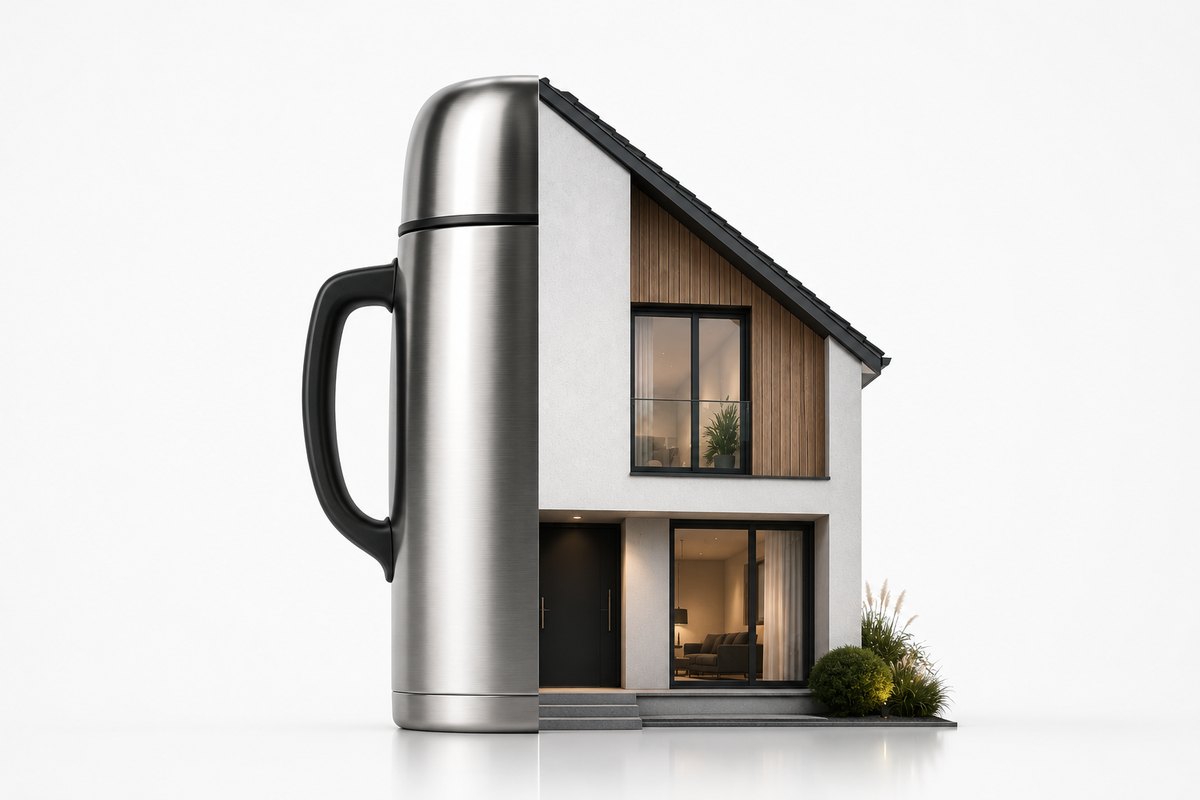
One coating.
1 millimetre.
Instead of 15 to 20 centimetres of polystyrene.
PowerSmartCoat is rolled or sprayed on rather than fixed, and raises the interior wall temperature above the mould-risk threshold. Window reveals, roller shutter boxes and facade profiles keep their existing dimensions — orderable from 50 m².
On average 50–70 % less heating energy
With PScoat on the facade and the attic floor. Two documented examples:
House built in 1890
Annual heat demand fell from around 40,000 to under 15,000 kWh.
See the measurementApartment building from 1960
With just 1 mm of PScoat, the U-value of the outer wall dropped from 2.63 to 0.096 W/(m²K). The wall is now 19.7 °C warm on the inside instead of 13.0 °C.
Read the study (PDF)CE to EN 15824 · Verified by TÜV NORD · U-value guarantee for every package
What PowerSmartCoat does for your building
- Reduce heating costs
- Increase fire protection
- Prevent mould
- Heat protection in summer
- Protect surfaces
- Protect the roof












Under the ‘Verified Product’ procedure of TÜV NORD Polska Sp. z o.o., the following parameters were tested and confirmed for the PSC 250T product family:
- Volumetric density
- pH value
- Water vapour permeability
- Water absorption
- VOC content
- Pull-off adhesion strength
- Reaction to fire
The certificate is available on request: info@powersmartcoat.de · cert.tuv-nord.pl (ID 141649)
 As seen on CNN Prima News
CNN Prima News reports on PScoat
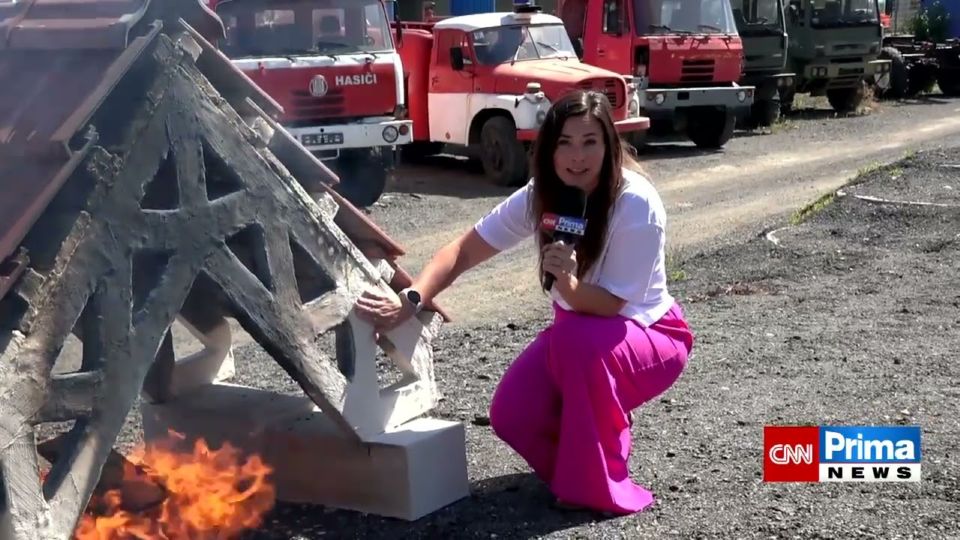
Playing loads the video from YouTube, which transfers data to YouTube.
Why nanosphere insulation?
Four properties set the coating apart from classic insulation systems: thermal conductivity, U-value, surface temperature and vapour permeability. What each one means for your building is explained below.
House built in 1890: annual heat demand cut from around 40,000 to under 15,000 kWh – more than 60% less. Apartment building from 1960: wall U-value from 2.632 to 0.096 W/(m²K).
Live warmer, heat less.
Insulate smarter, not thicker.
PScoat doesn't change your house — it blocks heat transfer at the surface.
Classic insulation
The component's resistance is increased by adding extra insulation thickness.
PScoat
PScoat changes heat transfer at the external surface — and with it, the heat path.
The physics, explained in more detail
Heat transfer inside
Indoor air transfers heat to the wall surface. This transfer has its own thermal resistance, described as Rsi.
Heat through the material
Heat then flows through the wall material. Its resistance depends, among other things, on λ and the material thickness.
Heat transfer outside
Finally, heat has to pass from the external surface to the outside environment. This portion is described as Rse.
① Material alone
First, we look purely at the 10 cm thick concrete layer.
This only covers conduction through the material itself. The heat transfers at both surfaces are still missing.
② The complete heat path
Now we also factor in the heat transfers at the internal and external surfaces.
In this simplified example, the surface resistances contribute significantly to the total thermal resistance.
The U-value describes the entire heat path: from the room, across the internal surface, through the component, across the external surface, to the outside environment.
Simplified:
So why is a fixed Rse value still used?
In standardised U-value calculations, the actual heat transfer conditions can't be fully recalculated for every building, every hour, every wind speed, every surface temperature and every radiation environment.
That's why building physics uses defined reference conditions and standardised surface resistances for the standard calculation.
This standard sets out methods for calculating the thermal resistance and thermal transmittance of building components, using standardised boundary conditions and surface resistances.
The commonly used value Rse = 0.04 m²K/W is therefore a normative reference figure for the standard calculation – not a universal law of nature that stays exactly the same under all real outdoor conditions.
And this is exactly where it gets interesting for surface coatings.
When the thermal properties of an external surface change, it's not just an extra layer of material. The surface's thermal boundary conditions relative to air, radiation and solar radiation can change too.
So the decisive question isn't just: “How thick is the layer?” It's also: “How does the entire heat path change?”
There's no polystyrene in your window either.
Just a coating.
That's been standard for 30 years.
Modern thermal glazing uses what are known as low-E coatings.
These ultra-thin, virtually invisible layers change the thermal properties of the glass surface, reducing long-wave thermal radiation exchange in particular.
As a result, the U-value of the entire window improves by around 50% – even though the coating itself is extremely thin.
Technical background: The U.S. Department of Energy explicitly describes low-E coatings as a measure for reducing the U-factor. U.S. Department of Energy – Low-E and window performance
250 °C → 45 °C
A heated stainless steel plate – once uncoated, once coated with PScoat.
Stainless steel plate on a switched-on hotplate · contact measurement
The effect of a changed surface –
Measured.
The decisive question isn't whether a thin coating could theoretically work. What matters is what's actually measured on the real component.
In-situ U-value measurement with just 0.5 mm of PScoat
Measured on the real component over several hours of continuous monitoring – not a single snapshot.
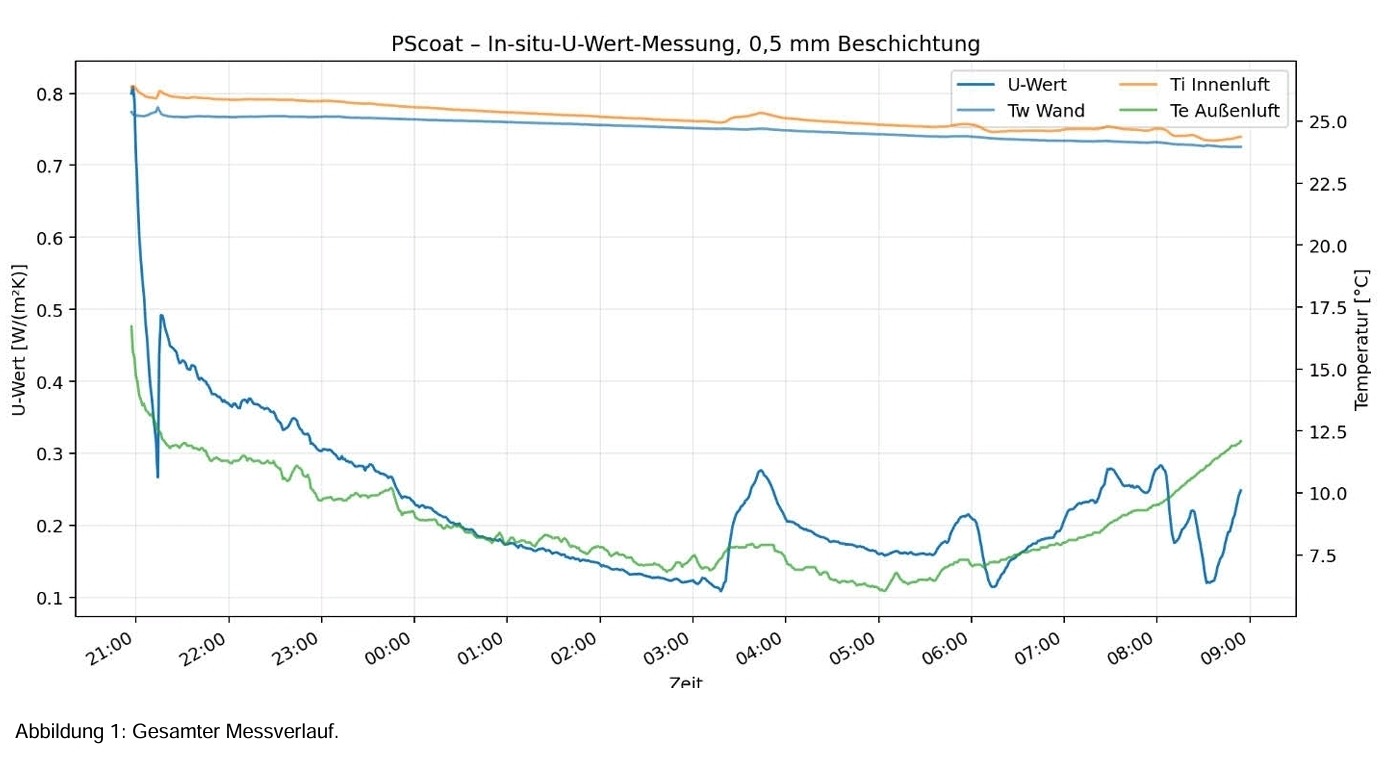
Original measurement data: U-value, wall temperature, indoor air temperature and outdoor air temperature over the entire measurement period.
What does this measurement show?
The U-value was determined on the real component over an extended period. The measurement data shows the calculated U-value settling into a low range for a sustained period after the initial settling phase.
So we're looking not just at a single temperature value, but at the progression of heat transfer over time under real conditions.
PScoat hasn't run measurements like this just once. The effect has been repeatedly examined and reproduced on different buildings and component structures.
Here's what the change looks like in a thermal image.
The U-value measured earlier on the real building also shows up in the thermal image of the facade.
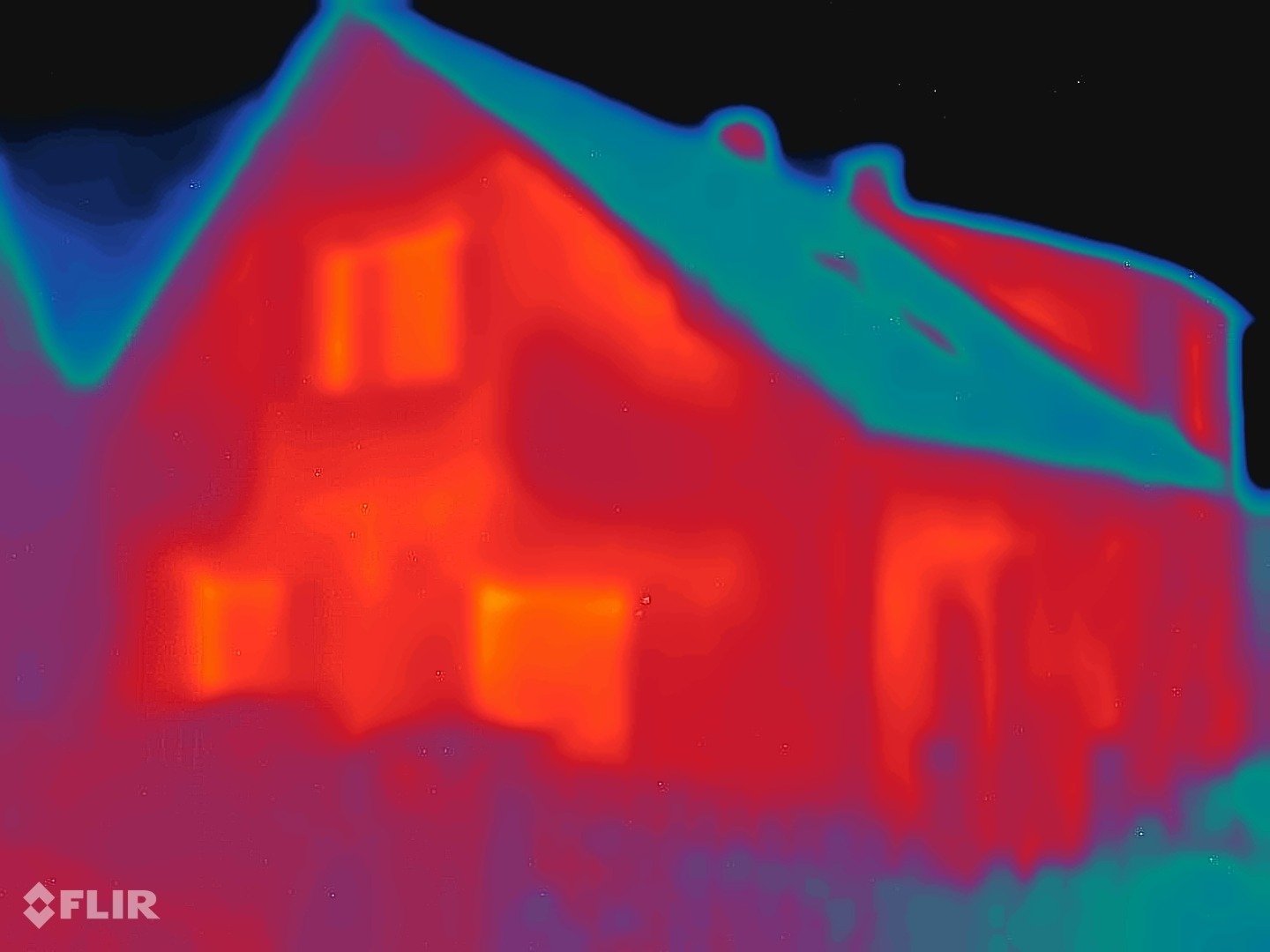
Clearly visible heat loss
The heated building surfaces stand out clearly against the cooler surroundings in the thermal image.
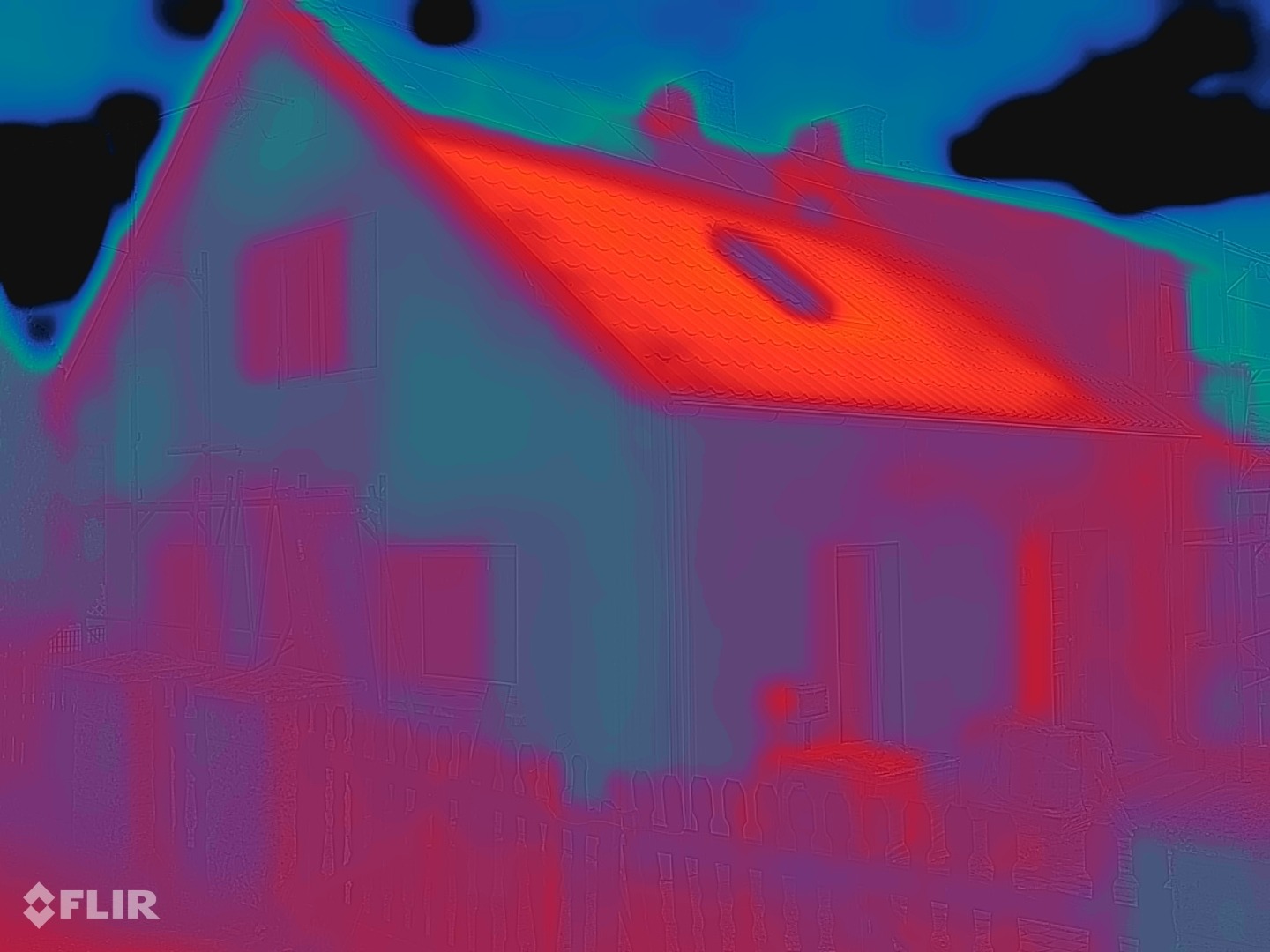
The facade thermally blends into its surroundings
After coating, the facade area that previously stood out clearly is far less pronounced in the thermal image.
Which system fits?
Three details are enough to work out the material required. Add the recommendation to the order below with a single click.
This requirement is a guide value for a smooth substrate. Texture, absorbency and application method change it; it only becomes binding once tested on a sample area on the original substrate.
Four levels, four insulation goals
Which level fits depends on what the building needs to achieve. The first three include the material for the complete build-up; the fourth also includes application by a specialist contractor. With a U-value guarantee on every package level.
15 €/m²
from 15 € · 1 m² minimum area
PScoat Easy
approx. U = 0,8 W/(m²·K)
Ideal for outbuildings
Choose this package Selected29 €/m²
from 29 € · 1 m² minimum area
PScoat Plus
approx. U = 0,2 W/(m²·K)
For most residential buildings
Choose this package SelectedRecommendation
45 €/m²
from 45 € · 1 m² minimum area
PScoat Premium
approx. U = 0,11 W/(m²·K)
Maximum insulation performance
Choose this package SelectedTurnkey
from 100 €/m²
Material and application · Final price after measurement
PScoat Komplett
approx. U = 0,10 W/(m²·K)
With application by a specialist contractor
Calculate price in 60 secondsOrderable from 1 m². Below 50 m², shipping from the Ketsch warehouse applies per part or full 18 m² container plus a decanting fee; from 50 m² shipping is free ex works.
Please select whether the material is for the facade or for the interior wall.
Add to basket This level is offered after measurement — Enquire about the build-up.
Orderable from 1 m² per level. Orders below 50 m² are dispatched from the Ketsch warehouse: shipping abroad from €97, with an additional €18 decanting fee if the order is not an exact multiple of 18 m². You can see the exact shipping costs for your country in the cart. Prices per square metre of facade, including VAT. The first three levels cover the material without application; PScoat Komplett includes application by a specialist contractor and is billed after measurement. The U-values apply to the respective system build-up; we provide a U-value guarantee on every package level.
You don't have to
just take our word for it.
The thermal effect of PScoat has been studied under controlled conditions and on real buildings. That's why we go one step further: we tie our performance to a measurable result on the treated component.
What matters is what's actually achieved on your building. The energy-saving guarantee reduces your risk and makes the promised thermal effect verifiable.
Your building
We look at the starting situation and the existing wall structure. What always matters is the specific component – not a theoretical sample structure.
Apply PScoat
The coating is applied according to the chosen system and its intended use.
Verify the result
On request, the thermal effect can be verified through a documented U-value measurement on the specific component.
A verifiable result.
The guarantee relates to the promised thermal effect of the treated external wall. Individual heating behaviour, ventilation habits or leaks in the building envelope are independent of this.
What makes us unique
Nano-ceramic technology for insulation performance with minimal material use.
- Only a few millimetres of coating thickness
- Vapour-permeable – water can escape
- Hydrophobic – water does not penetrate
- Simply applied instead of elaborate installation
- Perfect for existing buildings
- No joints, no thermal bridges






- 5.000.000 m²+
- Over 5,000,000 m² successfully coated
- 160+ countries
- Represented in more than 160 countries
- 10 years +
- Over 10 years of experience
This is what the difference looks like
A residential building before and after coating, captured with a thermal imaging camera.
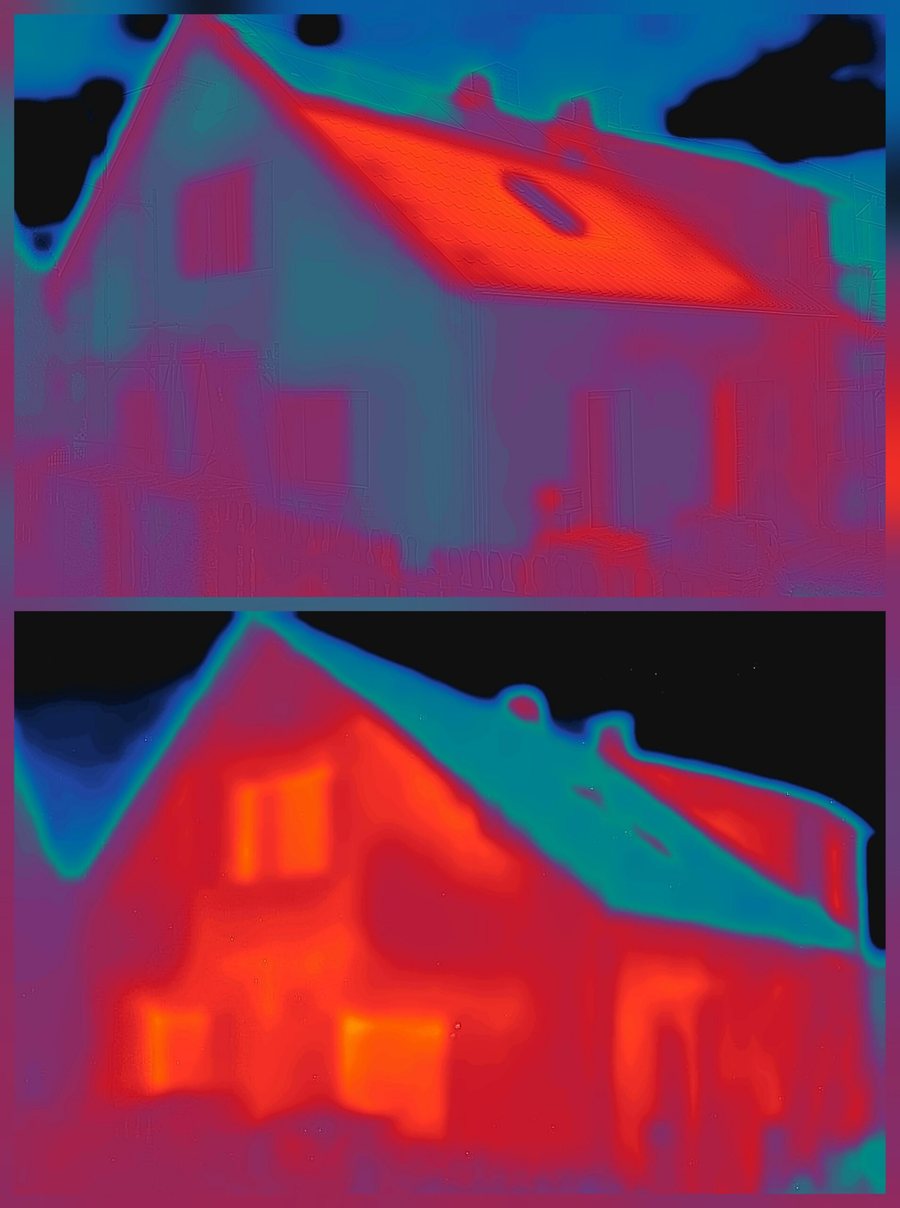
Residential building, built 1890
- Outdoor temperature
- 2 °C / 5 °C
- Room temperature
- 20 °C
- Wall surface before
- 12 °C
- Wall surface after
- 19 °C
Before: high heating output and still no satisfactory room temperature.
Annual heat demand fell from around 40.000 kWh to below 15.000 kWh.
Gemessen statt versprochen
Was wir belegen können
Geprüft im Testaufbau: −33,43 % Energiebedarf gegenüber unbeschichteter Referenzwand. Jede Zahl unten trägt ihre Quelle.
Zwei Häuser, vorher und nachher gemessen.
Keine Studie im Labor — zwei reale Gebäude, mit Wärmebildkamera dokumentiert.
Haus, Baujahr 1890
Wandoberfläche 12 °C → 19 °C
Wärmebild-Vergleich, dokumentiertes ReferenzobjektMehrfamilienhaus, Baujahr um 1960
U-Wert Außenwand 2,632 → 0,096 W/(m²K)
Wandoberfläche 13,0 °C → 19,7 °C
Objektstudie, wärmebildlich bestätigtDie Frage, die Sie sich stellen
Funktioniert das überhaupt?
PScoat ist ein Dämmputz, keine Dämmfarbe. Die Wirkung steht nicht nur im Datenblatt, sie wurde an echten Bauteilen gemessen — siehe die Werte und die zwei Gebäude oben.
Was nach der Bestellung gilt
Sie kaufen nicht ins Ungewisse.
U-Wert-Garantie auf jede Paketvariante. Ihr Ansprechpartner bleibt erreichbar, auch nach der Verarbeitung.
Customer experiences
Businesses that have worked with the coating — in their own words.
Thanks to the coating, we were able to raise the interior temperature of an office from 6–12°C to 19–21°C with the same heating output. This meant the poorly insulated room could be used again.
The straightforward application and the impressive results convinced us. Our customers are delighted.
One coating. 1 millimetre. Instead of 15 to 20 centimetres of polystyrene.
PowerSmartCoat is rolled or sprayed on rather than fixed, and raises the interior wall temperature above the mould-risk threshold. Window reveals, roller shutter boxes and facade profiles keep their existing dimensions — orderable from 50 m².
Questions about your building?
Tell us what you have in mind — area, year built, condition of the facade. You'll get an assessment back, not a sales loop.
- Reply within two working days.
- A build-up proposal for your property on request.
- Free and non-binding.